
Congress Explores AI Upgrades to Give the A-10 Warthog a New Battlefield Role
U.S. lawmakers are examining whether AI, electronic-warfare systems, and advanced communications could extend the A-10’s usefulness despite planned retirements.
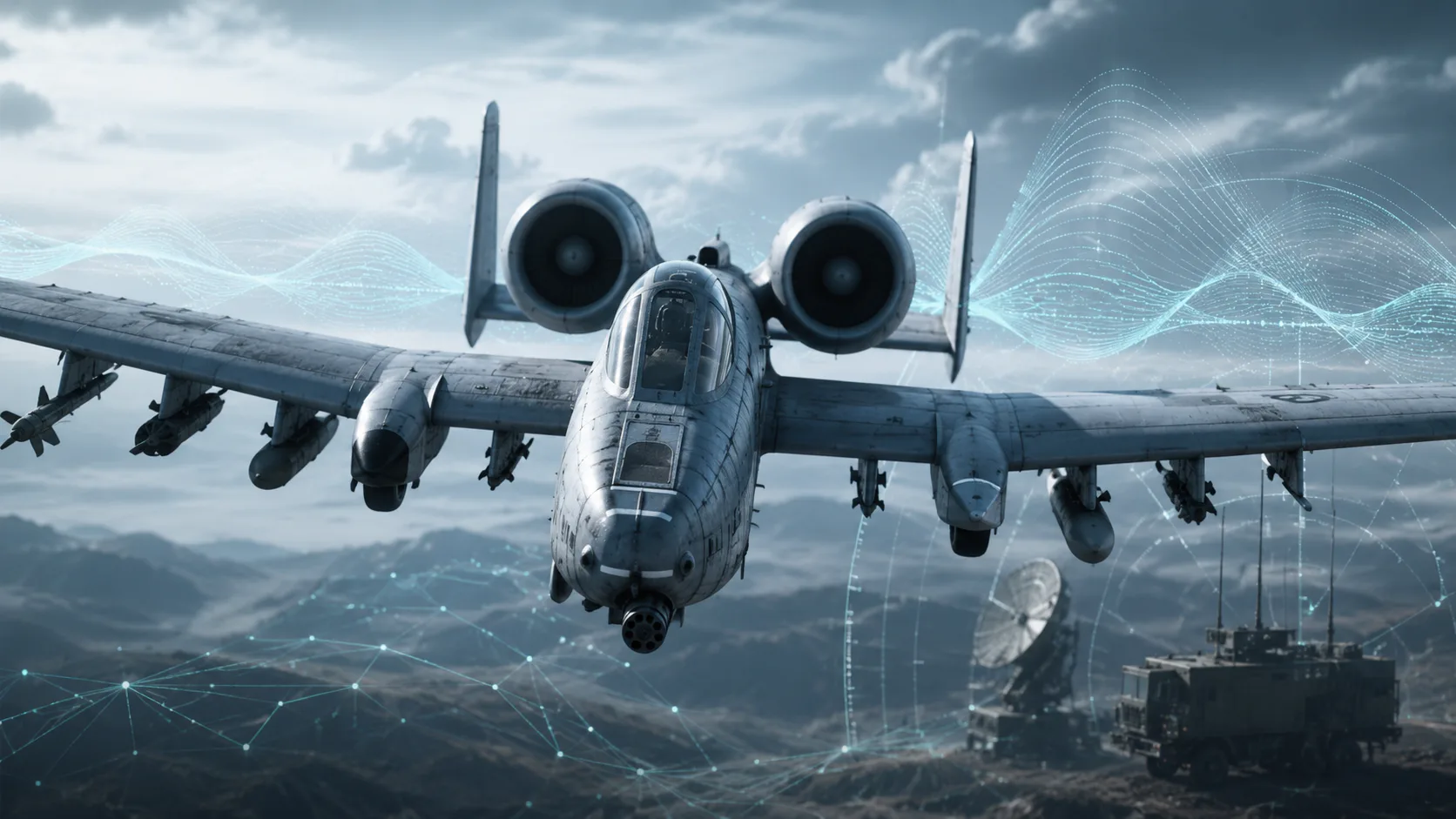
A debate over the future of the U.S. Air Force’s A-10 Thunderbolt II is gaining new attention on Capitol Hill, where lawmakers are exploring whether artificial intelligence, electronic-warfare capabilities, and upgraded communications systems could extend the aircraft’s operational relevance.
The discussion comes as the Air Force continues plans to retire the aging close-air-support platform, while some members of Congress argue that new technologies could allow the aircraft to take on different missions in increasingly contested environments.
Lawmakers examine modernization options
Members of the House Armed Services Committee are seeking a closer look at whether the A-10 could be adapted with advanced digital capabilities rather than phased out entirely. Among the concepts being considered are AI-enabled systems, enhanced electronic-warfare equipment, and improved networking tools that would allow the aircraft to operate more effectively alongside modern military platforms.
Supporters of the effort contend that the aircraft’s durability, long loiter time, and ability to operate close to ground forces remain valuable characteristics. They argue that technological upgrades could enable the platform to contribute beyond its traditional close-air-support role.
Potential enhancements could include systems designed to assist pilots with battlefield awareness, support electronic attack or defense missions, and improve communications with other aircraft, ground units, and command networks.
Searching for new missions
The Air Force has increasingly focused on preparing for conflicts against technologically advanced adversaries, a shift that has raised questions about the survivability of legacy aircraft in heavily defended airspace.
Critics of retaining the A-10 argue that the platform was designed for a different era and faces growing challenges in environments protected by modern air-defense systems. The service has therefore prioritized investment in newer aircraft and advanced capabilities.
Lawmakers examining alternatives believe that emerging technologies could create opportunities for the aircraft to serve in supporting roles that complement newer systems rather than replace them.
Retirement plans remain in focus
The A-10, commonly known as the Warthog, has served for decades as one of the U.S. military’s most recognizable close-air-support aircraft. It has earned a reputation for survivability and effectiveness in supporting troops on the ground across multiple conflicts.
Despite that legacy, the Air Force has repeatedly sought to retire portions of the fleet as part of broader modernization efforts. Congressional interest in potential upgrades reflects an ongoing debate over whether existing platforms can be adapted for future warfare through advances in artificial intelligence, electronic warfare, and networked operations.
For now, the discussion remains exploratory, but it highlights how military planners and lawmakers are increasingly considering AI and electronic-warfare technologies as tools for extending the usefulness of legacy systems while balancing the costs of developing entirely new platforms.
Newsletter
Get the next briefing by email.
Receive AI news, analysis, and practical context by email.
Sources
- Defense One
reference · Jun 9, 2026