
Can AI Predict If Your Antidepressant Will Work?
Key insight: Researchers at IIT Madras and the Czech Academy of Sciences trained models on EEG signals from the first week of antidepressant treatment and predicted who would respond with 73% accuracy. Faster signal on treatment fit could reduce weeks of trial-and-error.
Study outline
| Aspect | Details |
|---|---|
| Study focus | EEG brain signals to predict antidepressant response |
| Conducted by | IIT Madras & Czech Academy of Sciences |
| Sample size | 176 patients diagnosed with severe depression |
| Data used | EEG signals during first week of treatment |
| ML techniques | Signal preprocessing + classification models |
Why this research matters
Depression treatment often feels like trial-and-error — it can take weeks to know if a medication is working. This study shows how painless EEG readings might help clinicians use AI to forecast early success. Faster feedback means fewer wasted weeks, less emotional strain, and a path toward truly personalized care.
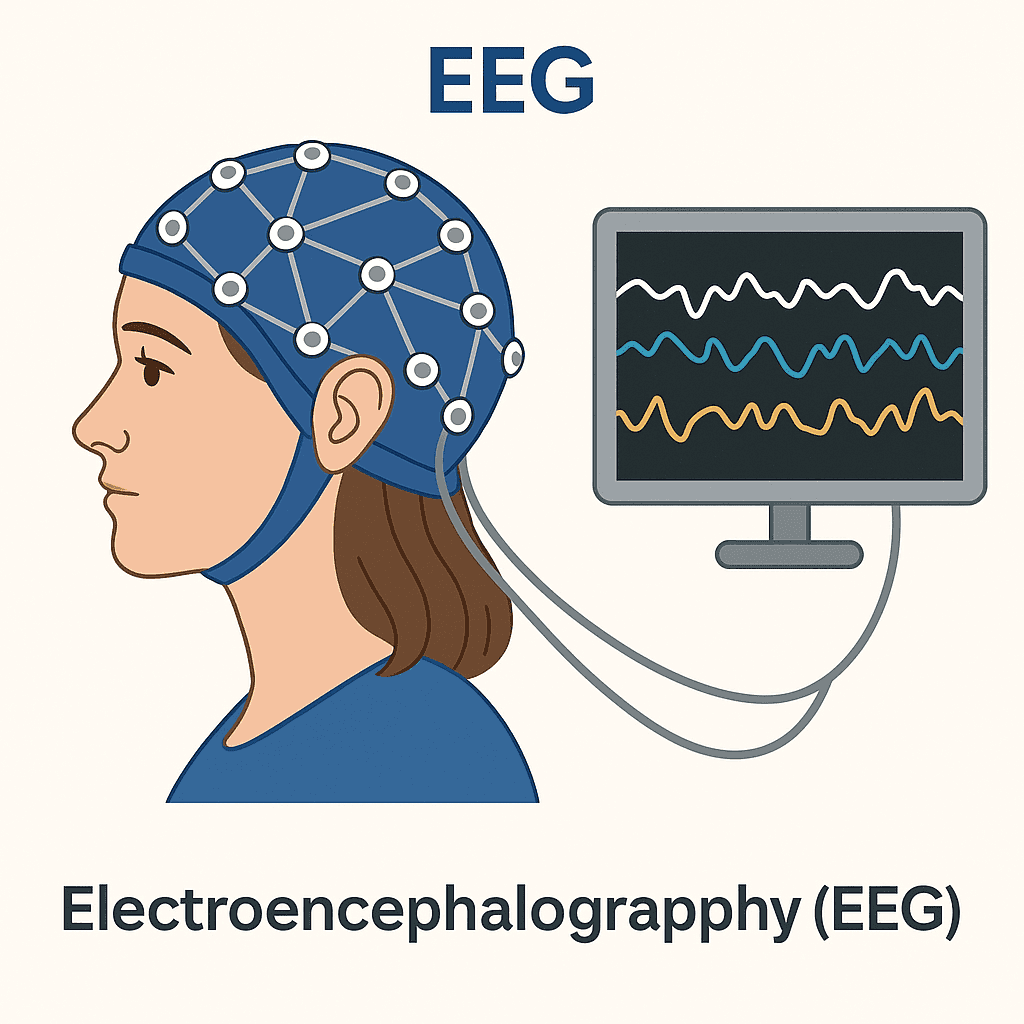
What is EEG?
Electroencephalography (EEG) records electrical activity from sensors on the scalp. It is non-invasive and commonly used for epilepsy, sleep disorders, and now — with AI support — could guide psychiatric treatment choices.
Real-world implications
- Faster decisions: Reduces time spent on ineffective regimens.
- Personalized psychiatry: Models can account for individual brain responses.
- Less emotional burden: Patients get relief sooner.
- Scalable approach: EEG is already widely available in hospitals.
Limitations and considerations
- Sample size (176 patients) is promising but still small for deployment.
- Needs validation across diverse demographics and care settings.
- Predictions should support — not replace — clinical judgement and consent.
Summary
This research is an early but meaningful step toward AI-guided mental health care. If EEG-driven predictions hold up in larger trials, clinicians could know within days whether to stay the course or change treatment, reducing the long, uncertain waits patients endure today.
Sources
- Times of India coverage: Early EEG data + machine learning to predict antidepressant response (IIT Madras & Czech Academy of Sciences, 2025).
- Academic paper: Biomedical Signal Processing and Control (2025)
Disclaimer
This article summarizes real, peer-reviewed research for educational purposes only. It is not medical advice.